
Email Engagement: Your Best Subscribers Are Your Growth
Your most engaged subscribers are already on your email list. Learn how to identify your super fans, build a super fan segment, and grow your email newsletter organically through strategies that actually work.
Details
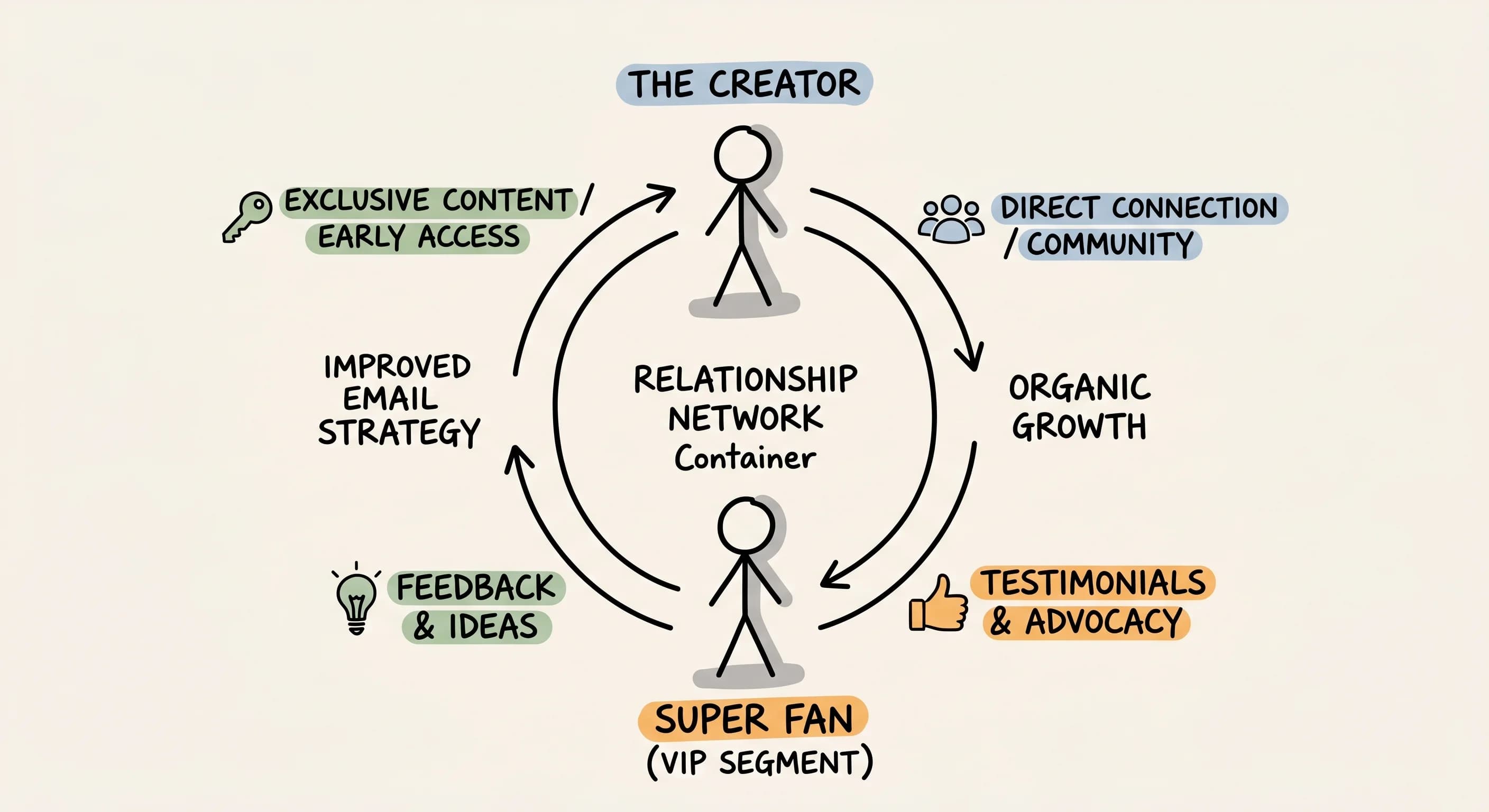
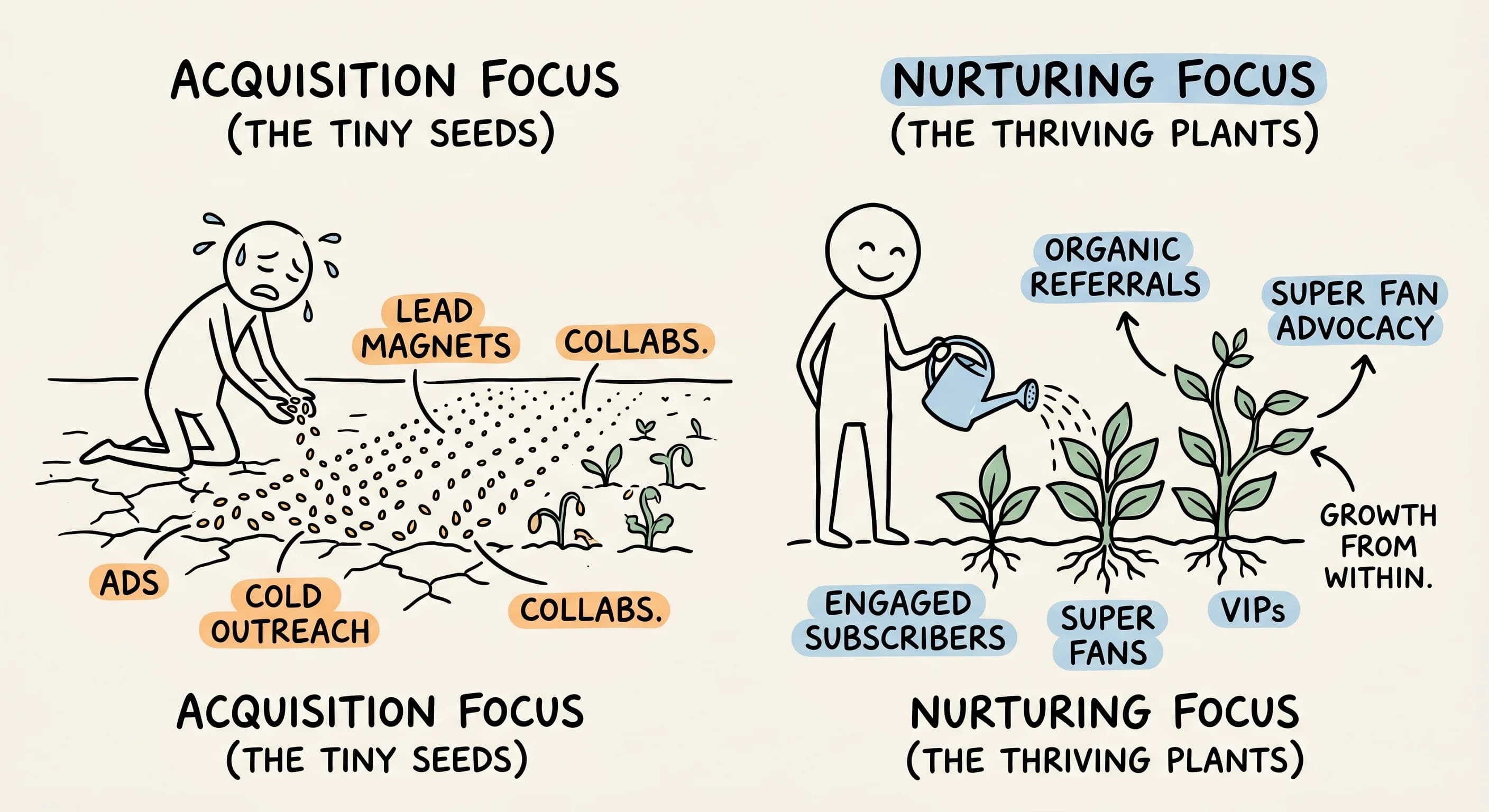
Most creators spend all their energy chasing new subscribers. Ads, lead magnets, cold outreach, collaborations. And while those things matter, the most powerful growth tool you already have is sitting right inside your email marketing platform, mostly ignored.
Your super fans.
These are the people who open nearly every issue, click your links, and actually read what you send. And if you are not actively identifying and nurturing them, you are leaving your best growth lever untouched.
What Is Email Engagement?
Email engagement is how actively your subscribers interact with the emails you send, measured by opens, clicks, replies, forwards, and time spent reading. High email engagement tells inbox providers your emails are wanted, which protects your deliverability and keeps you in the primary inbox instead of the spam folder.
Most creators try to increase email engagement by growing their list. The smarter move is to improve email engagement with the people already on it. This guide shows how to measure email engagement, identify your most engaged subscribers, and turn them into your best growth lever.
Why Every Subscriber Is Not Equal
When you dig into your engagement data, the pattern becomes obvious quickly. A small group of people on your email list is doing most of the heavy lifting. They are opening consistently, clicking through, and interacting with your content at a level that everyone else is not.
These contacts are worth far more than the average person on your list. Not just because they engage, but because they are the ones who tell other people about you. Your super fans share your content in conversations, recommend it to friends, and refer new subscribers without you ever asking them to.
The people who are going to help you grow the most are not strangers. They are already in your community, already subscribed, already paying attention. That is the insight most creators miss when they are fixated on acquisition.
Effective email marketing starts not with finding new contacts but with understanding the engaged contacts you already have. Too few subscribers engaging with your content is a signal worth acting on immediately. Too many subscribers sitting inactive drags down your sender reputation and hurts deliverability across the board.
If you want more people to read your emails, the answer is rarely to grow your list and improve it through acquisition alone. It almost always starts by nurturing the people already receiving your content.
Email Engagement Metrics: The Signals That Matter
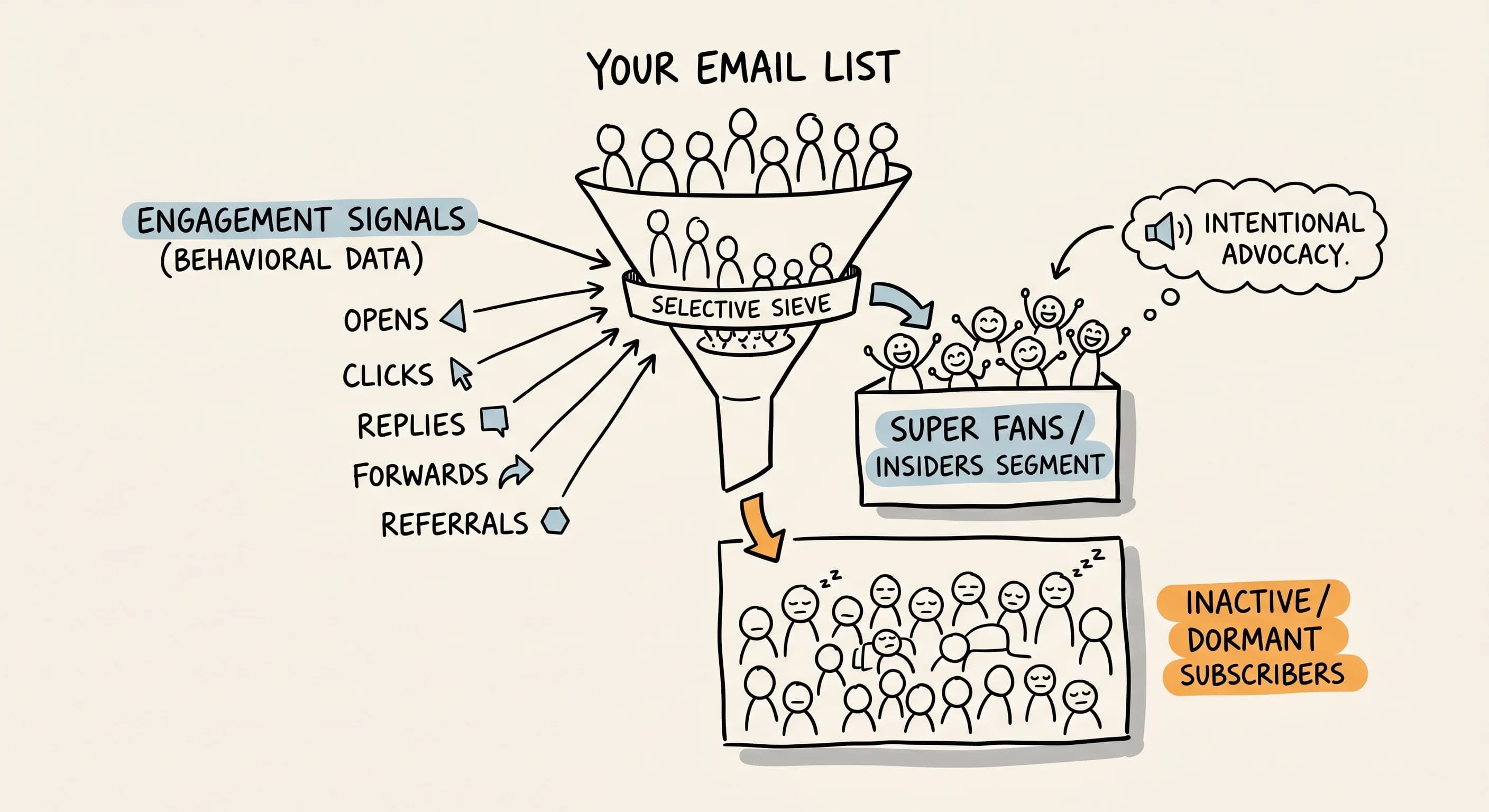
Email engagement metrics are the behavioral cues that tell you how your audience is interacting with what you send. The most common ones are opens and clicks, but strong signals also include replies, forwards, time spent reading, and even unsubscribe behavior, which flags a mismatch between your content and your audience.
Email marketers rely on these signals to understand which contacts are genuinely interested. Patterns across your list reveal which groups are worth doubling down on and which need attention before they quietly drift away.
Tracking email engagement metrics like click rate, reply rate, and conversion rate together gives you a far more complete picture than any single number alone. High email engagement across multiple metrics is a strong indicator that your emails are wanted by the people receiving them, and the quickest way to improve email engagement is to send more of what those metrics reward.
Why Are Open and Click Rates Not Always Accurate?
Open tracking has become less reliable since Apple introduced Mail Privacy Protection, which pre-loads email content and can register opens even when a real person never read a single word. This means raw open rate numbers can be inflated in ways that make it harder to identify who is genuinely paying attention.
Click rates remain a more reliable signal because they require an actual human action. When you review performance, weigh clicks more heavily than opens alone. That said, opens and clicks together still provide a useful directional view of how your content is landing.
Internet service providers and inbox algorithms also pay close attention to how recipients behave. High bounce rates and low interaction patterns are flags that can push your messages toward the spam folder, making it even more important to stay on top of your list health.
How to Identify Super Fans Using Segmentation
Learn How to Identify Your Most Engaged Contacts
Log into your email marketing platform and filter by engagement data. Look at who has opened and clicked consistently over the last 60 to 90 days. How many days since subscribers meaningfully engaged with your content is one of the most useful questions you can ask inside your platform.
The contacts who consistently appear at the top of that list are your super fans. Most platforms let you tag or group contacts, so label this group clearly. This is how you build a meaningful group that actually reflects behavior rather than a generic export of your whole list.
But do not stop at opens and clicks alone. The strongest approach combines behavioral data like shares, replies, community participation, and referral behavior. Combining them with who is replying to your emails and who has been around the longest gives you a much clearer picture.
This process also allows you to tailor your messaging far more precisely. When you know exactly who stays engaged and why, you can replicate the conditions that created that engagement for newer contacts.
Build Your Super Fan Segment
Create a dedicated group for these high-engagement contacts and give it a name that means something. Calling it "VIPs" or "insiders" or "founding members" rather than just "high-engagement list" does something interesting: it turns incidental advocacy into intentional advocacy. When people feel like they belong to a named group, they act like it.
This is also the right moment to sort your list by behavior, not just demographics. Doing this unlocks the ability to send targeted messages that feel personal rather than broadcast. A well-maintained list keeps your sender reputation strong because inbox providers reward senders whose contacts interact regularly.
You can use this group for both campaigns and automations. For example, trigger a workflow that sends exclusive content to anyone who clicks a specific link, moving them automatically into your super fan group without any manual effort. This gives you multiple chances to deepen the relationship without extra manual work every time.
How Many Engaged Subscribers Should You Expect?
This varies by list size, niche, and how often you send, but a healthy program typically sees between 20 and 40 percent of contacts showing consistent activity over a 90-day window. If your active group is much smaller than that, it is worth reviewing your email design, your subject line approach, and your sending schedule to identify where the drop-off is happening.
Some platforms assign a score to each contact based on their activity history. Mail Blaze, for instance, uses a Subscriber Score that weights recent behavior more heavily than older activity, giving you a live view of who is trending up or down in terms of interest.
Are Opens and Clicks Still Worth Tracking?
Yes, with context. Despite Mail Privacy Protection making raw open data noisier, open and click metrics together still tell you enough to act on. The goal is not perfect precision but directional clarity. Which topics drive the most clicks? How quickly do subscribers convert after receiving specific emails? Which send times correlate with stronger patterns? These questions are still answerable with the data available inside most platforms today.
Which email metric do you find most actionable beyond opens and clicks? For many marketers, reply rate has emerged as one of the clearest signals of genuine connection, especially in smaller lists where every reply carries weight.
Have you considered implementing inbox placement tracking alongside these metrics? Knowing whether your messages are landing in the primary inbox versus the promotions tab adds another layer of insight that raw open data simply cannot provide.
Common Mistakes to Avoid With Your Email List
 One of the biggest mistakes to avoid is emailing your whole list with the same message regardless of behavior. Sending the same content to people who have stopped engaging and to your most active readers wastes your best content on the wrong audience and dilutes the results you see across the board.
Another common error is not tracking how often you send relative to what your audience expects. Email often enough to stay top of mind, but not so frequently that you train people to ignore you. The right cadence depends on your audience and your content type. How often you send should be guided by engagement data, not just a fixed schedule.
Finally, avoiding the question of whether people who haven't engaged in 90 days or more should still be on your active list is a mistake that compounds over time. Keeping engagement strong means making regular decisions about who belongs in which tier.
Re-Engagement Strategies That Actually Work
Go Beyond the Inbox to Connect With Your Subscribers
Once you have identified your super fans, find them on social media. A simple, genuine message acknowledging their support goes a long way. This is not automation. It is a real conversation.
Ask them what topics resonate, what they want more of, and what your content means to them. That feedback loop improves your subject line strategy, your content, and your conversion rate in ways that no A/B test ever will. A clear call to action in those outreach messages helps guide the conversation and makes it easy for super fans to respond.
Cross-channel connection strengthens loyalty. Reaching your most active contacts on multiple touchpoints builds a far more durable relationship. It also gives you a clearer sense of who your audience actually is beyond what analytics alone can tell you.
Consider offering your super fans exclusive content: early access, behind-the-scenes updates, or a direct line to find answers to questions they have been wondering about. A simple "you are seeing this before everyone else" goes a long way toward making someone feel genuinely valued.
Should You Also Look at the Least Engaged Subscribers?
Absolutely. The least active contacts on your list are costing you more than you might realize. High volumes of inactive addresses drag down your sender score, increase spam complaints, and skew your data in ways that make it harder to make good decisions.
The first step in any win-back effort is clarity: who exactly are you trying to reach? Define inactive as anyone who has not opened or clicked in the last 90 to 180 days, then build a separate group for people who have stopped engaging before you do anything else.
Run a Win-Back Campaign Before You Remove Anyone
Smart recovery starts with a well-crafted message, not a delete button. A compelling subject line and a direct message asking if they still want to hear from you can win back inactive contacts. Does your subject line compel people to open your email? If it does not, even the best content inside will go unread.
Keep your win-back message simple and honest. Something like "We noticed you have not interacted with our emails in a while. Do you still want to hear from us?" works better than a flashy comeback sequence. Give them an easy way to confirm their interest or to unsubscribe if they have moved on.
One message with a clear call to action and a firm decision point is often more effective than a drawn-out drip sequence. The goal is to identify who is still likely to open future messages and remove the rest cleanly. After you run this process, clean your list by removing contacts who never responded. Make this a scheduled review, not a one-time fix.
How to Grow Your List From Within
Grow Your List Through the People Already In It
The most overlooked strategy does not cost anything. People who already love your content will tell others about it. Your super fans will share your work, recommend it in conversations, and refer new contacts organically if you make it easy for them.
You can grow your list and improve it through a simple referral loop: give them tools to share. A referral link, a shareable quote card, or even just a line at the bottom saying "if this was useful, forward it to someone" removes the friction. Do not script them. Just equip them and let them do what they are already inclined to do.
Public recognition matters too. Featuring a super fan in your content, shouting them out on social media, or simply replying with a genuine thank-you reinforces the relationship. People remember when they feel seen.
Use email as a relationship channel, not just a broadcast tool. When you use email intentionally to build community rather than just deliver content, the organic growth that follows tends to be far more durable than anything paid acquisition can produce.
How Often Should You Review Your Engaged Group?
A monthly review is a good baseline for most senders. Keeping engagement levels healthy means checking who has dropped in activity over the last 30 days, removing them from your top tier, and flagging them for a win-back effort before they go fully cold.
Reviewing patterns this regularly also helps you spot trends early. If a specific design or topic starts pulling people into your super fan group faster than usual, that is a signal worth leaning into. It also gives you a consistent chance to test and optimize your approach based on real behavioral data rather than guesswork.
Need Help With Your Email Strategy?
If you are ready to take email seriously in your business and build a system that works beyond just sending emails on a schedule, the good news is that most of the tools you need are already inside your existing platform. Your platform's knowledge base is a solid starting point for understanding automation, scoring, and behavioral features you may not have explored yet.
For more complex strategies, working with someone who specializes in email marketing can help you move faster. Whether your goal is to enhance your campaigns, improve deliverability, or build a win-back strategy from scratch, the foundation is always the same: understand who is actually interacting with your content, focus your energy there, and let data drive every decision.
The Simple Place to Start
Pull your engagement data today. Filter by opens and clicks. Tag the people at the top of that list. Then send one personal message, with a clear call to action, to a handful of them. That first direct message to a super fan can open conversations that change the trajectory of your growth.
That single action can start the kind of compounding, organic list growth that most creators spend years chasing through acquisition alone. The active contacts you are looking for are already there. You just have to recognize them.
Read more about Audience Building & Growth for Content Creators
📚 Complete Guides
- How to Build an Audience as a Content Creator
- How to Find Your Target Audience (Start With One Person)
⚡ Tactics & Strategies
- 30 Daily Outbound Pitches for UGC Deal Generation
- 50% Retention Rate Optimization for YouTube Algorithm Success
- Age Bracket as Superpower Strategy for Older UGC Creators
- Audience Consistency Strategy to Avoid Algorithm Penalties
- Audience Psychology Over Algorithm Optimization, Focusing on Human Pain Points and Goals Instead of Platform Tactics
📄 Related Articles
- Brand Differentiation: The Three Circles Framework
- Why Content Creators Must Demand Monetary Payment for Influencer Partnerships
- How to Grow on Social Media (Ignore the Algorithm)
- Long-Form Content: Why It Works and How to Use It
- How to Spot Trends Early (Before Everyone Else Does)
- YouTube Target Audience: Why Beginners Win
- How Often Should You Post on YouTube? Less Than You Think
- Email List Building: Why It's Your Most Valuable Asset
Read more about Monetization & Business Models for Content Creators
📚 Complete Guides
- Content Creator Monetization: Proven Revenue Streams
- Content Creator Income Streams: 7 Ways to Build Financial Stability
⚡ Tactics & Strategies
- 30 Daily Outbound Pitches for UGC Deal Generation
- Affiliate Code Negotiation Using Membership Audience Influence
- Age Bracket as Superpower Strategy for Older UGC Creators
- B2B Merchandise Bulk Sales to Industry Professionals- Packaging Products as Client Gifts for Lawyers and Service Providers
- Becoming Your Own Sponsor by Plugging Your Offer Within Episodes
🧮 Calculators
Read more about Systems, Workflows & Operations for Content Creators

Alex Kirillov
Details
One link. Every channel, rate, and piece of work brands need to evaluate you. Built for how creators actually get hired.
Claim your profile
Live creator, content, and marketing roles from real companies, with the pay, market, and context the raw job page never gives you.
Browse jobs